
À propos de GJF
GJF adhère à une philosophie de coopération fondée sur « l'intégrité, l'innovation, l'altruisme et le gagnant-gagnant ». Nous nous engageons pleinement au service de nos clients et visons à créer des situations gagnant-gagnant sur le futur marché des pièces détachées automobiles.
Obtenir un devis gratuit


Actualités
17
Sep
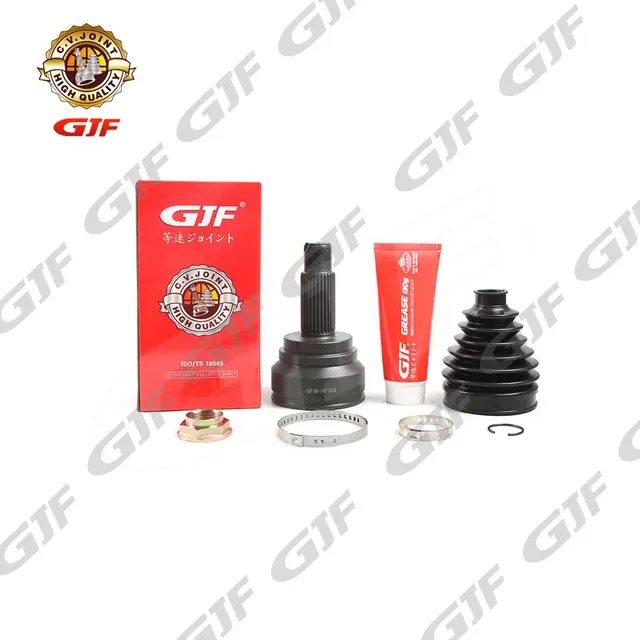
What Is A Cv Joint on A Car - GJF Auto Parts
Introduction
If you’ve ever heard a clicking noise while turning your car or noticed grease around your wheel well, you might have encountered a problem with your CV Joint. But what exactly is it? The CV Joint, short for Constant Velocity Joint, is one of the most crucial yet often overlooked components in modern vehicles. It connects your car’s transmission to the wheels, ensuring smooth and consistent power delivery—especially when turning or driving over uneven surfaces.
Understanding what a CV Joint is, how it works, and why it fails is essential for any driver who wants to keep their car safe, efficient, and long-lasting. In this guide, we’ll break down everything you need to know about CV Joints in cars—from their purpose and types to common failure signs, maintenance tips.
What Is a CV Joint on a Car?
At its core, a CV Joint (Constant Velocity Joint) is a flexible coupling that allows the driveshaft to transmit power from the transmission to the wheels at a constant speed, regardless of the angle of the shaft. This ensures smooth vehicle movement without vibration or loss of power, even during sharp turns or when the suspension moves up and down.
Unlike universal joints (U-joints), CV Joints can handle much greater angles while maintaining consistent rotational speed. That’s why front-wheel-drive (FWD) and many all-wheel-drive (AWD) vehicles rely on them. Without CV Joints, your car would struggle to deliver power to the wheels effectively, especially during steering or suspension travel.
How a CV Joint Works in Your Car
To understand how a CV Joint functions, picture the following sequence:
Transmission Output: Power leaves the transmission through the driveshaft.
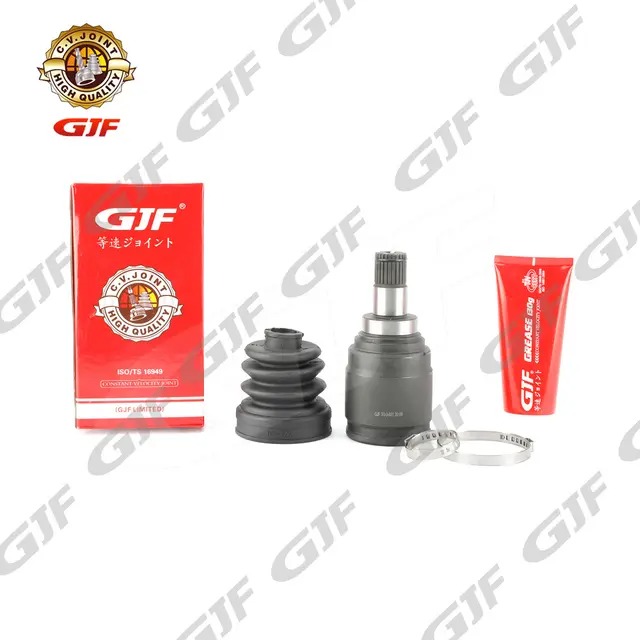
Inner CV Joint: Located near the transmission, this joint allows in-and-out movement as the suspension compresses or rebounds.
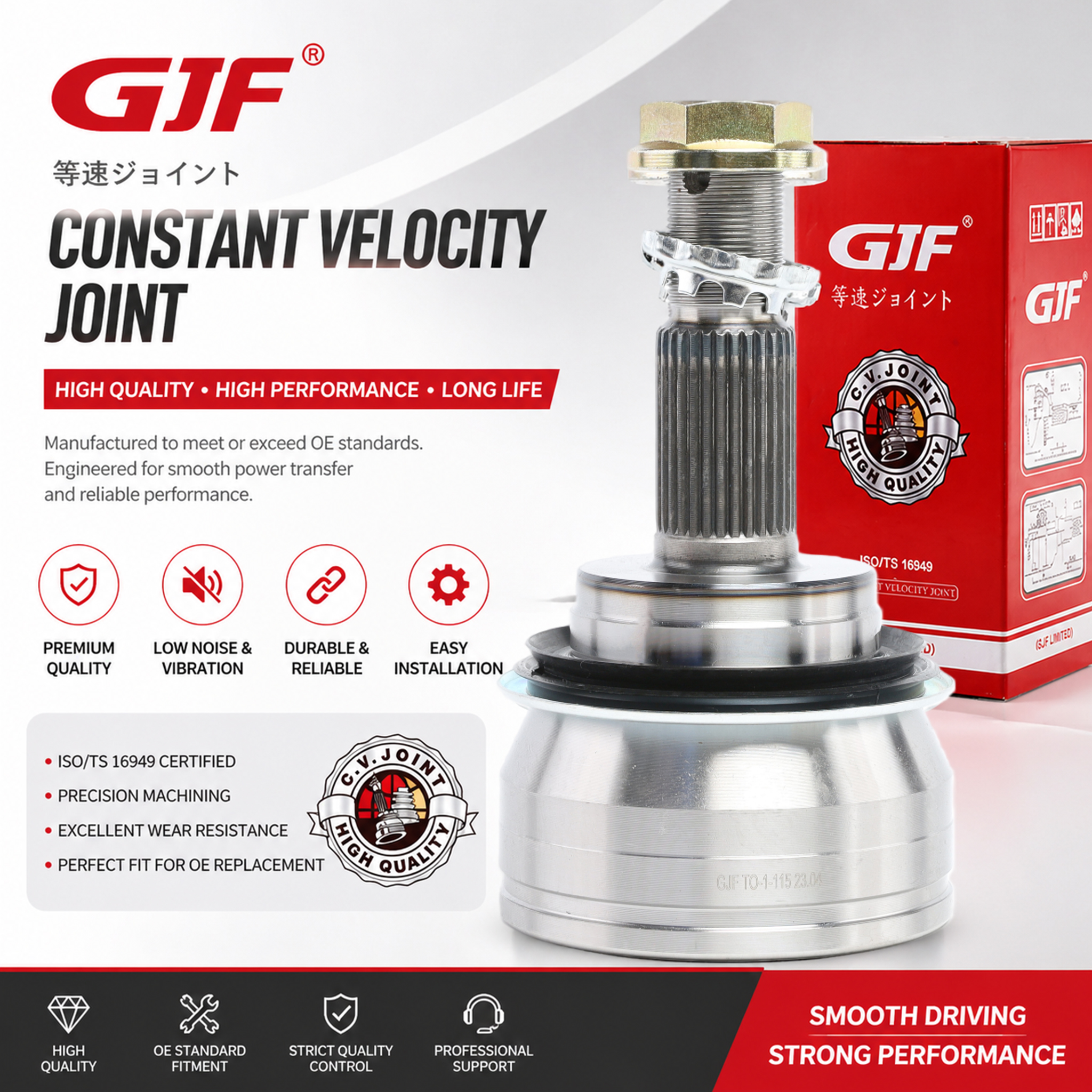
Outer CV Joint: Located near the wheel, this joint permits side-to-side movement, enabling smooth steering.
Wheel Rotation: The CV Joint transmits torque at consistent speed, regardless of the shaft angle.
Simplified Working Table
| Component | Location | Function in the System |
|---|---|---|
| Inner CV Joint | Near transmission | Allows in-out movement with suspension |
| Outer CV Joint | Near wheel hub | Ensures smooth steering and rotation |
| CV Boot | Surrounds the joint | Protects from dirt, debris, and grease loss |
This system ensures your wheels always receive consistent power, which is why CV Joints are critical for safe and efficient driving.
Types of CV Joints in Cars
Not all CV Joints are the same. Depending on the vehicle’s design and application, different types of joints are used.
1. Rzeppa CV Joint
The most common type, used in most FWD cars.
Composed of a spherical housing with ball bearings.
Provides smooth power transfer at high angles.
2. Tripod CV Joint
Often used as an inner CV Joint.
Has three roller bearings that slide within grooves.
Allows significant in-and-out movement for suspension travel.
3. Double Offset CV Joint
Similar to Rzeppa but designed for higher torque applications.
Common in performance vehicles and heavy-duty cars.
Comparison Table: Types of CV Joints
| CV Joint Type | Position Typically Used | Key Advantage | Common Vehicle Use |
|---|---|---|---|
| Rzeppa | Outer joint | Smooth, high-angle rotation | Most FWD cars |
| Tripod | Inner joint | Excellent axial flexibility | Compact & midsize |
| Double Offset | Inner or outer | Handles higher torque loads | Performance/Heavy |
Common Signs of a Failing CV Joint
Recognizing early signs of a worn CV Joint can save you from expensive repairs or even dangerous driving situations.
1. Clicking or Popping Sounds
A clicking noise when turning sharply is the most common symptom of an outer CV Joint failure.
2. Grease Leakage
A torn CV boot allows grease to escape, leaving the joint dry and vulnerable.
3. Vibration While Driving
If the inner CV Joint is worn, you may notice vibrations under acceleration.
4. Knocking Noises
Severe wear can produce repetitive knocking sounds during driving.
These symptoms should not be ignored. Early diagnosis and repair can prevent complete joint failure.
Why CV Joints Fail
CV Joints are designed to last for many miles, but several factors can accelerate wear:
Torn CV Boot: Once the protective boot is damaged, dirt and moisture invade the joint.
Lack of Lubrication: Grease leakage leads to friction and rapid wear.
Aggressive Driving: Frequent hard turns and acceleration increase strain.
High Mileage: Over time, natural wear occurs.
In most cases, it’s the boot that fails first, not the joint itself. That’s why regular inspection of CV boots is crucial.
CV Joint Maintenance Tips
Proper care can significantly extend the lifespan of your CV Joints.
Practical Maintenance Tips:
Inspect CV Boots Regularly: Look for cracks, tears, or leaks.
Keep Suspension Healthy: Damaged suspension increases stress on joints.
Avoid Hard Off-Roading: Unless your vehicle is designed for it.
Schedule Regular Service: Many issues can be detected early during routine checkups.
By following these practices, you can reduce the risk of sudden CV Joint failure and keep repair costs lower.
Replacing a CV Joint: Cost and Process
When a CV Joint fails, it typically requires replacement rather than repair.
Replacement Overview:
Lift and secure the car.
Remove the wheel and axle nut.
Disconnect suspension components.
Remove the driveshaft.
Replace the CV Joint or complete axle assembly.
CV Joint vs. U-Joint: Key Differences
Many drivers confuse CV Joints with universal joints (U-joints). While both allow rotational flexibility, they serve different purposes.
CV Joint: Maintains constant rotational speed regardless of angle, used in FWD and AWD vehicles.
U-Joint: Allows variable speed at different angles, commonly used in rear-wheel-drive vehicles.

Comparison Snapshot
| Feature | CV Joint | U-Joint |
|---|---|---|
| Speed Consistency | Constant velocity | Variable velocity |
| Typical Use | FWD, AWD, some 4WD | RWD, driveshaft applications |
| Complexity | More complex, uses bearings | Simpler, uses cross-shaped yoke |
Conclusion
A CV Joint is far more than just a mechanical connector—it’s the reason your car can steer, accelerate, and handle smoothly without losing power to the wheels. From its location on the driveshaft to its types, symptoms of failure, and maintenance needs, understanding this component is critical for every driver.
By learning what a CV Joint is and how it works, you’ll be better equipped to recognize problems early, extend your vehicle’s lifespan, and avoid costly repairs. Next time you hear a clicking noise or see grease on your rims, you’ll know exactly where to look.
FAQ
1. How long do CV Joints last?
Most CV Joints last between 70,000 and 130,000 miles, depending on driving conditions and maintenance.
2. Can you drive with a bad CV Joint?
It’s risky. A failing CV Joint can eventually break, leading to loss of control. Repairs should be done immediately.
3. Are CV Joints the same on all cars?
No. Different vehicles use different types (Rzeppa, Tripod, etc.) depending on their drivetrain design.
4. What happens if a CV boot tears?
Grease leaks out, dirt enters, and the joint quickly wears out. Replacing the boot promptly can save the CV Joint.
5. Is it cheaper to replace the CV Joint or the whole axle?
In many cases, replacing the entire axle assembly is more cost-effective than replacing just the joint.
Tags :
Articles récents
Articles associés
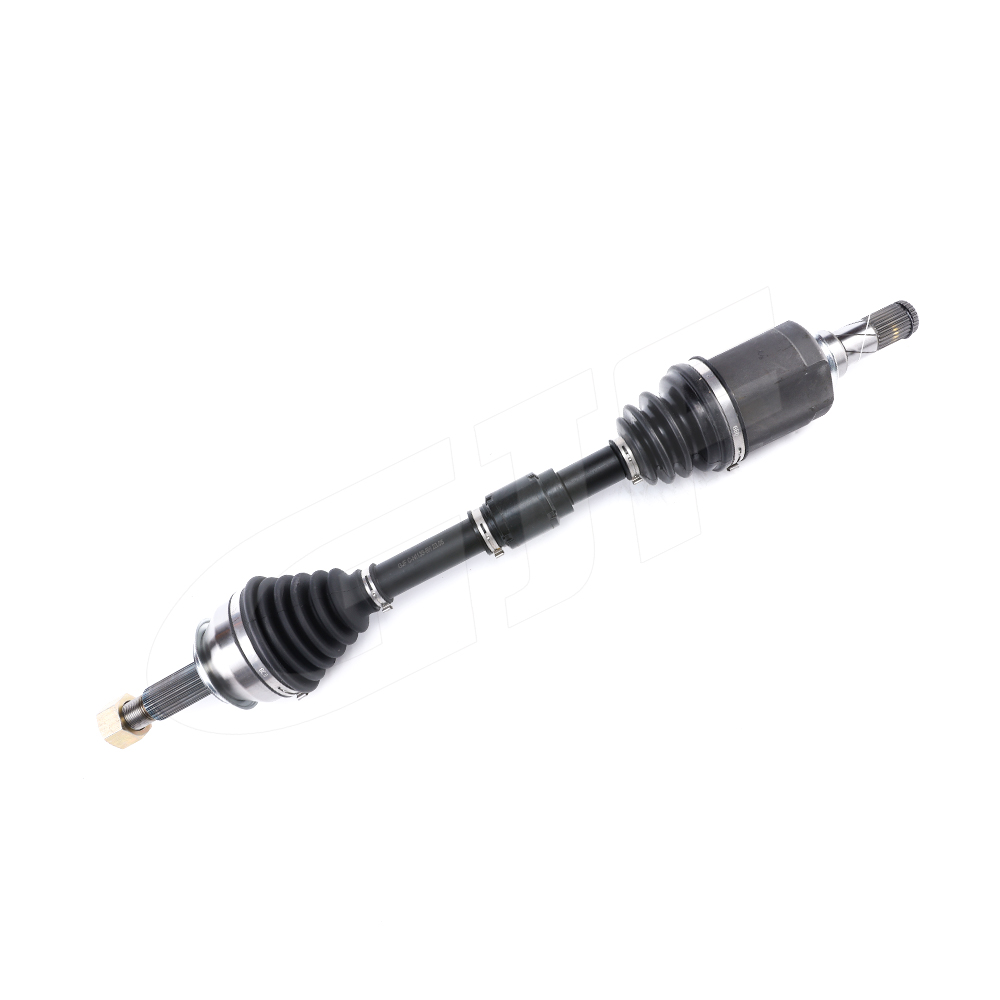
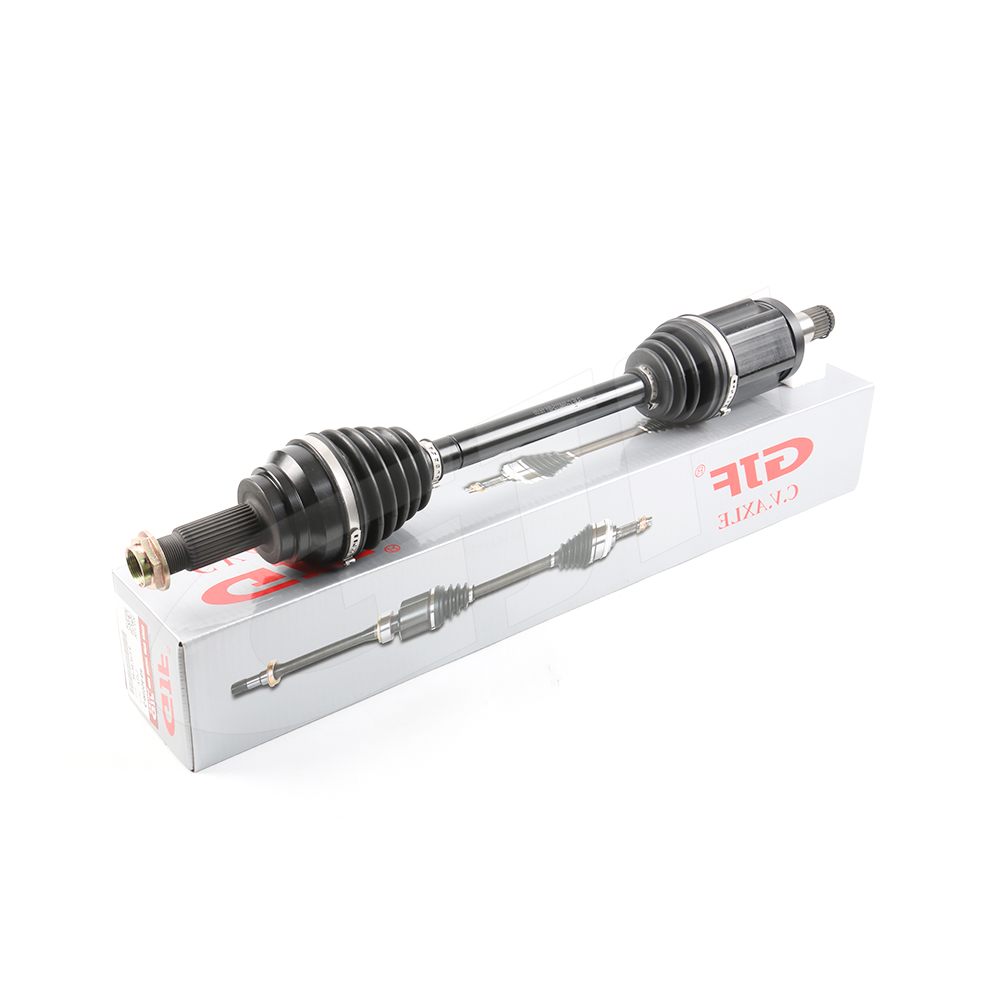
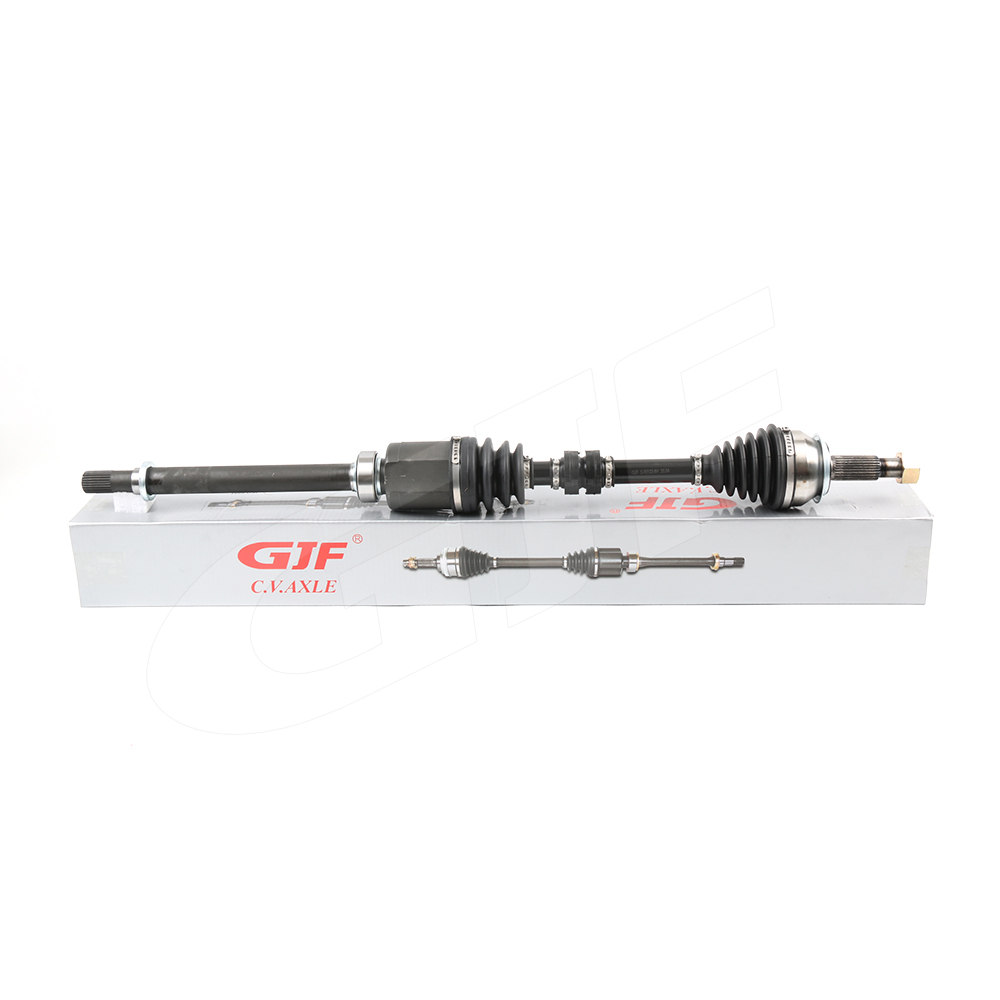
GJF Automotive Parts For Nissan Drive Shaft 39100-4BB0B In Stock
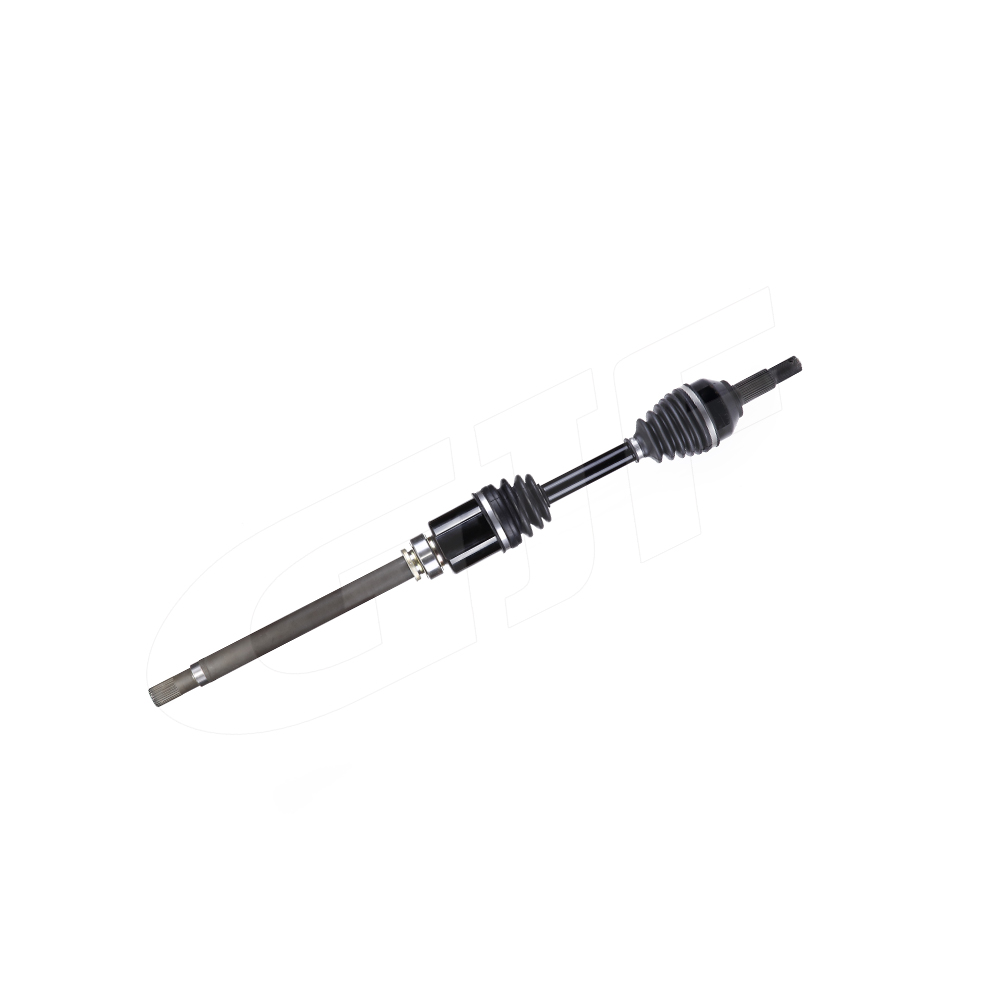
GJF Auto Transmission Parts Drive Shaft 39100-1DA4E
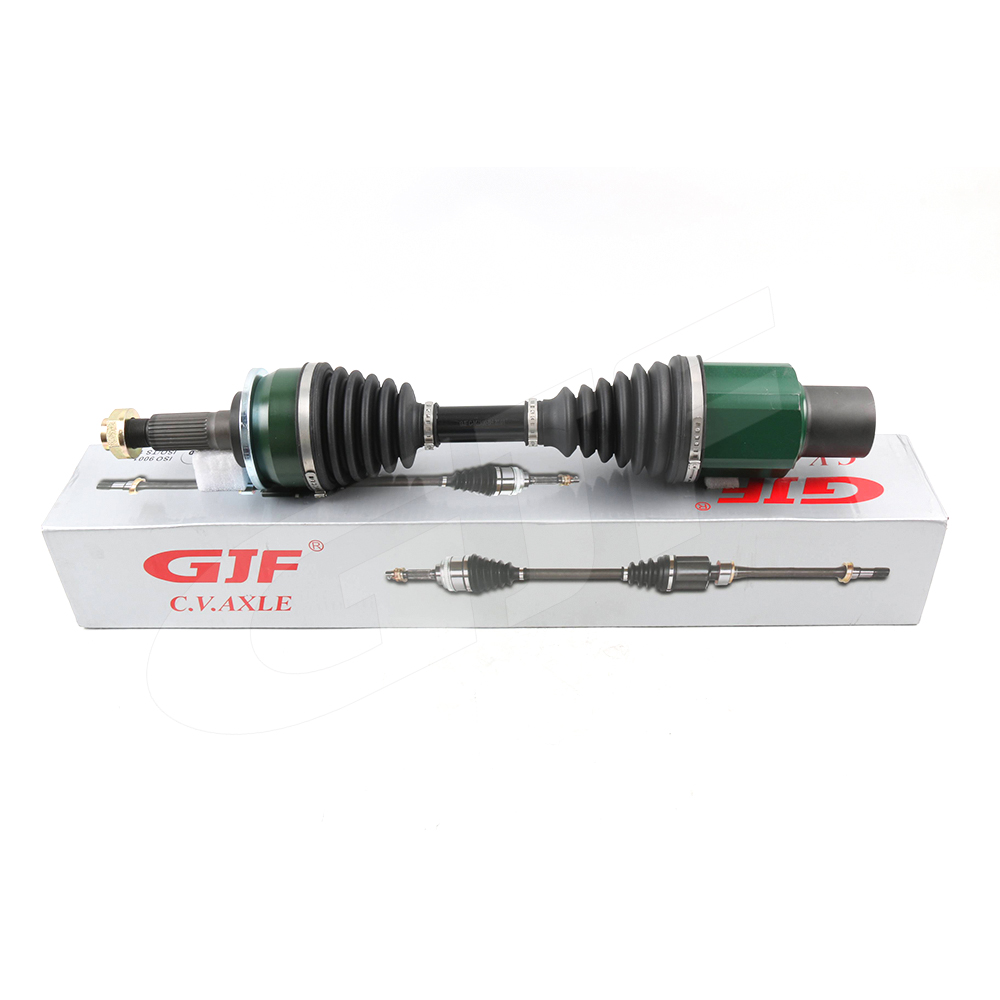
AB393A428CC AB393A427CC Drive Shaft For Ford Ranger Mazda
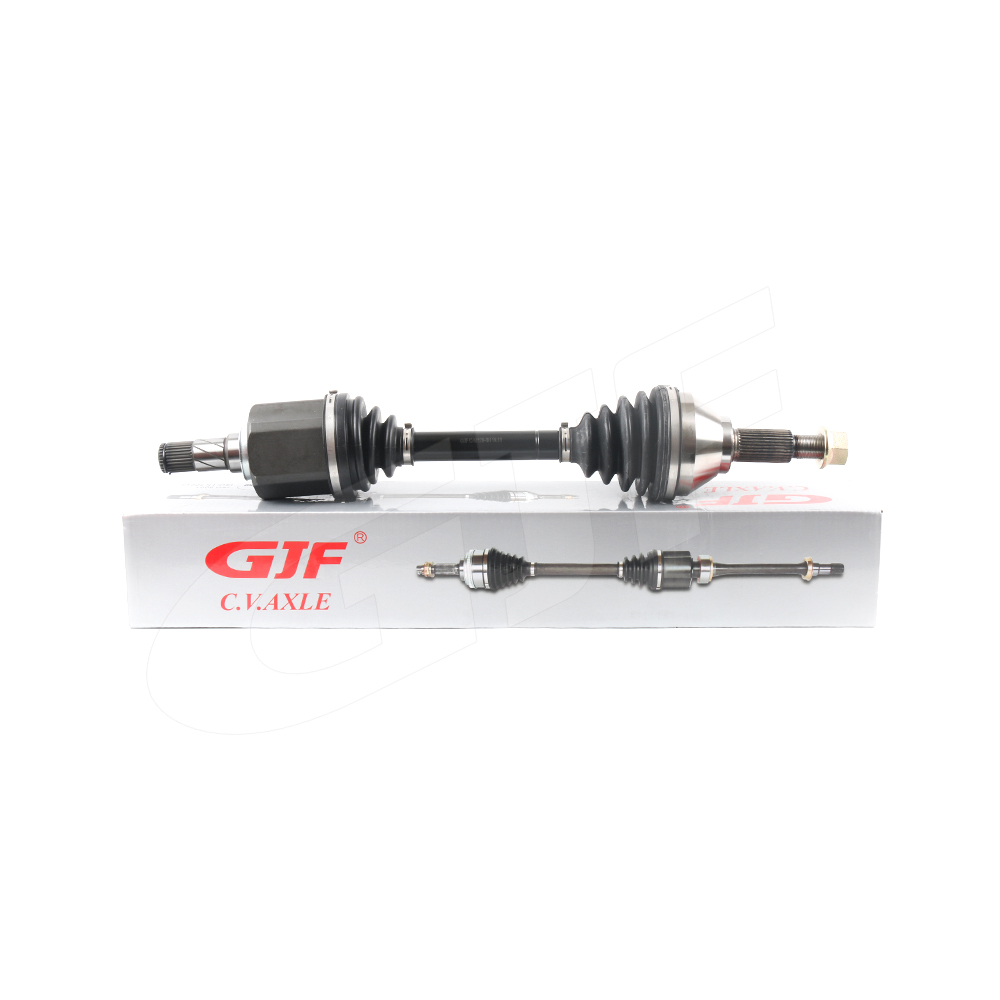
GJF Auto Parts Drive Shaft For Nissan Teana J32Z 39101-JN10C
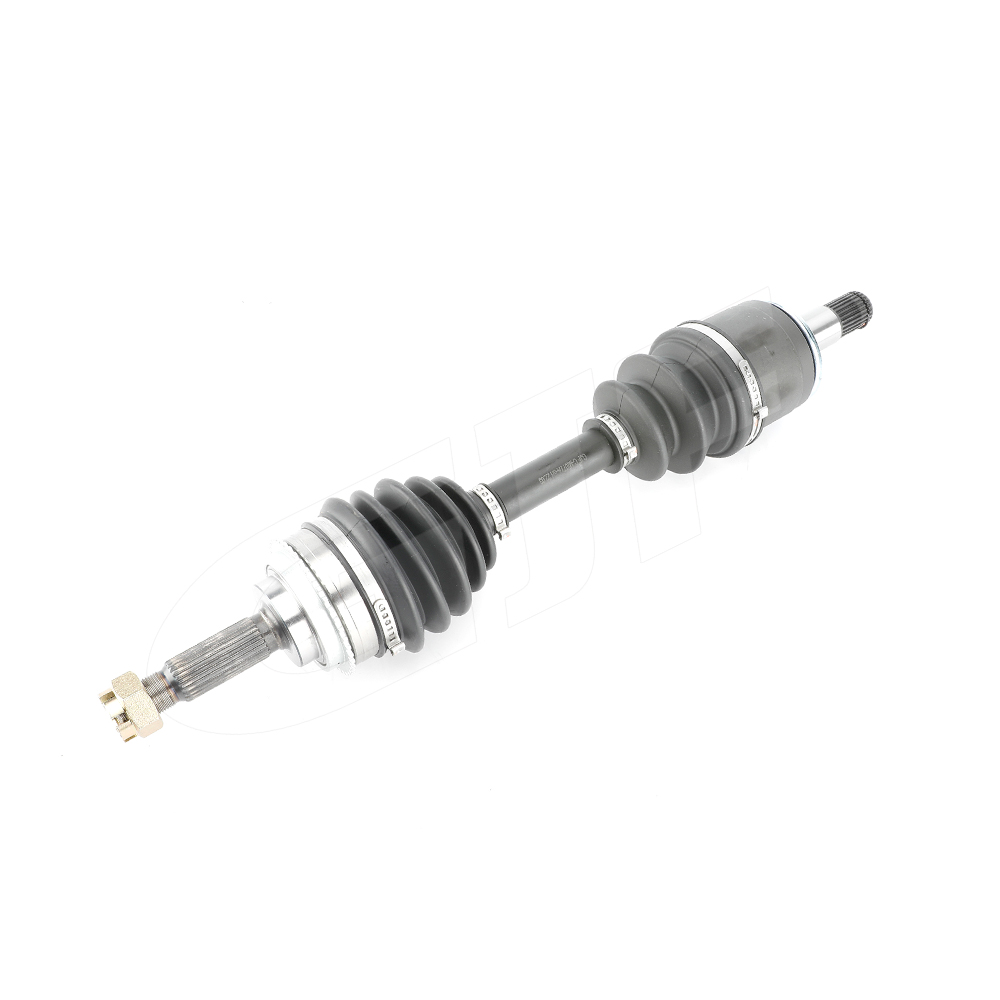
Japanese Car Parts Drive Shaft For Mitsubishi Pajero MR515191 MR515192
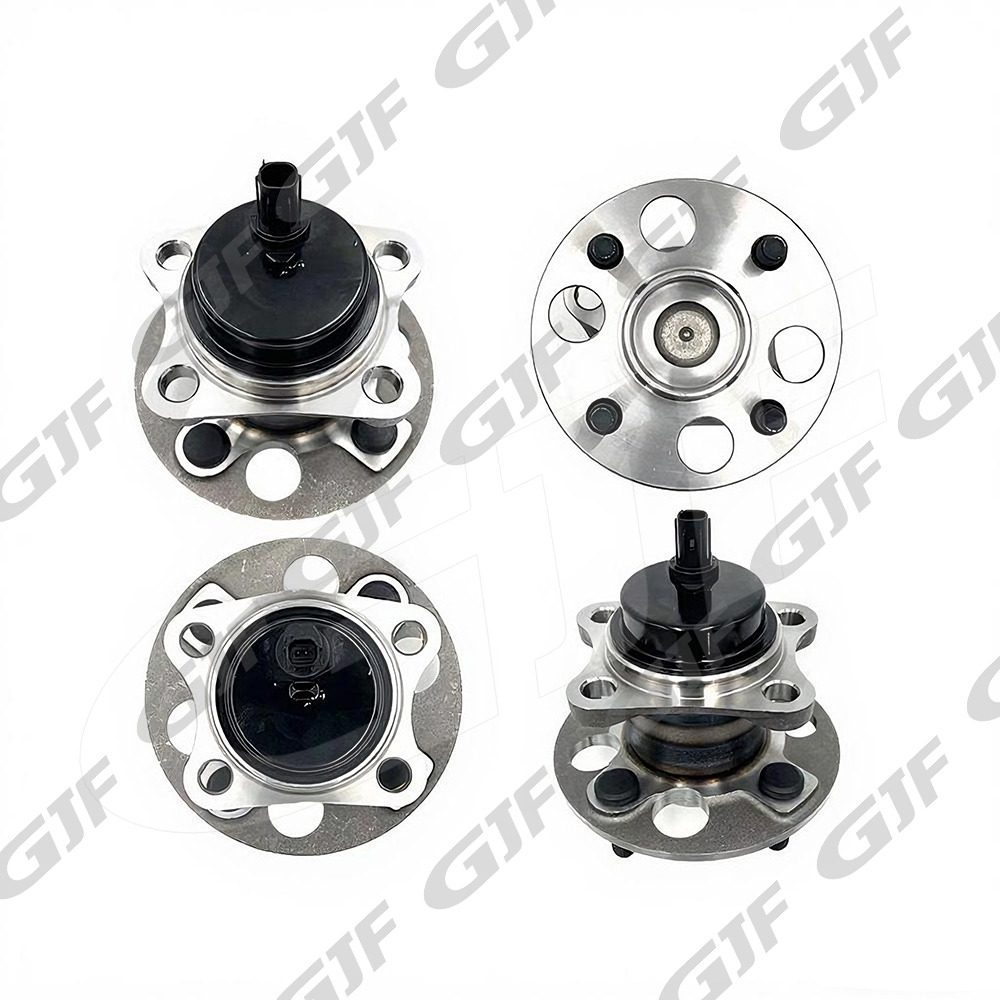
Auto Parts Wheel Hub Bearing For Toyota YARIS 42450-52060
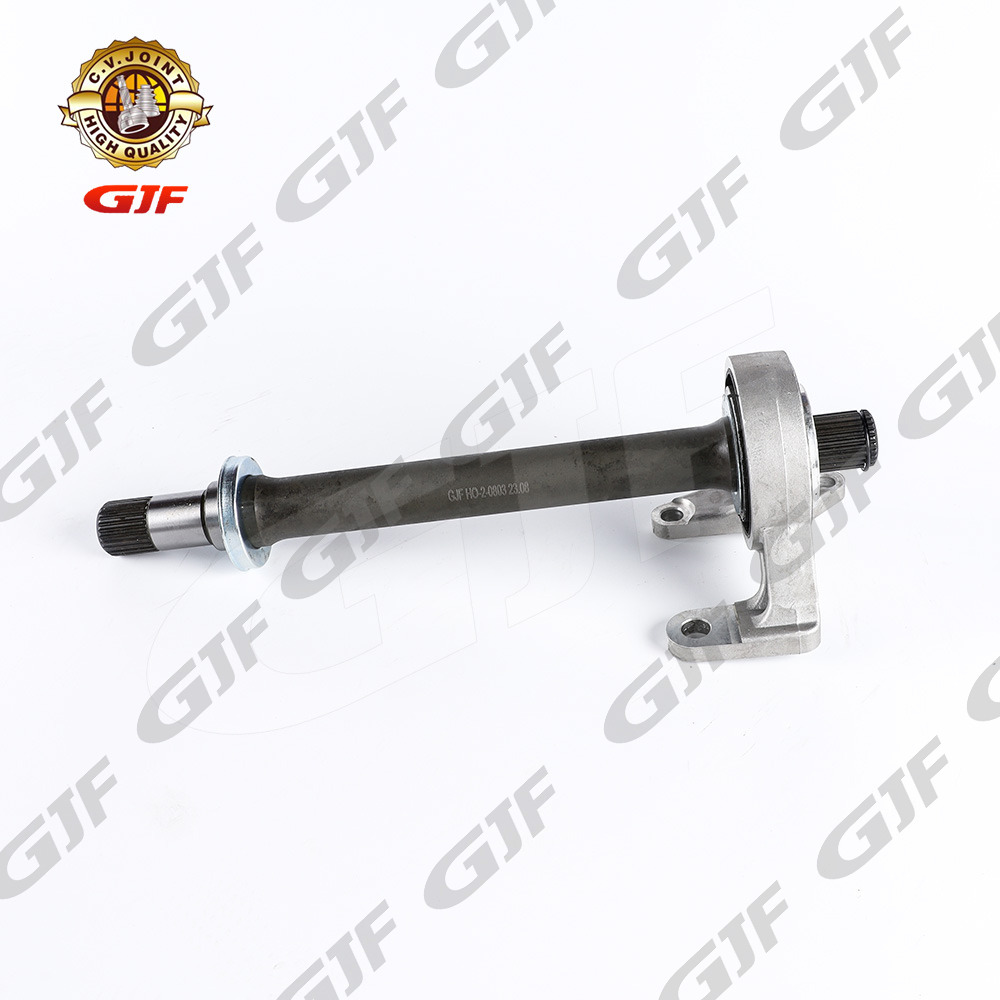
Auto Parts Intermediate Shaft Assembly For Honda CR-V CIVIC 44500-SWC-E00
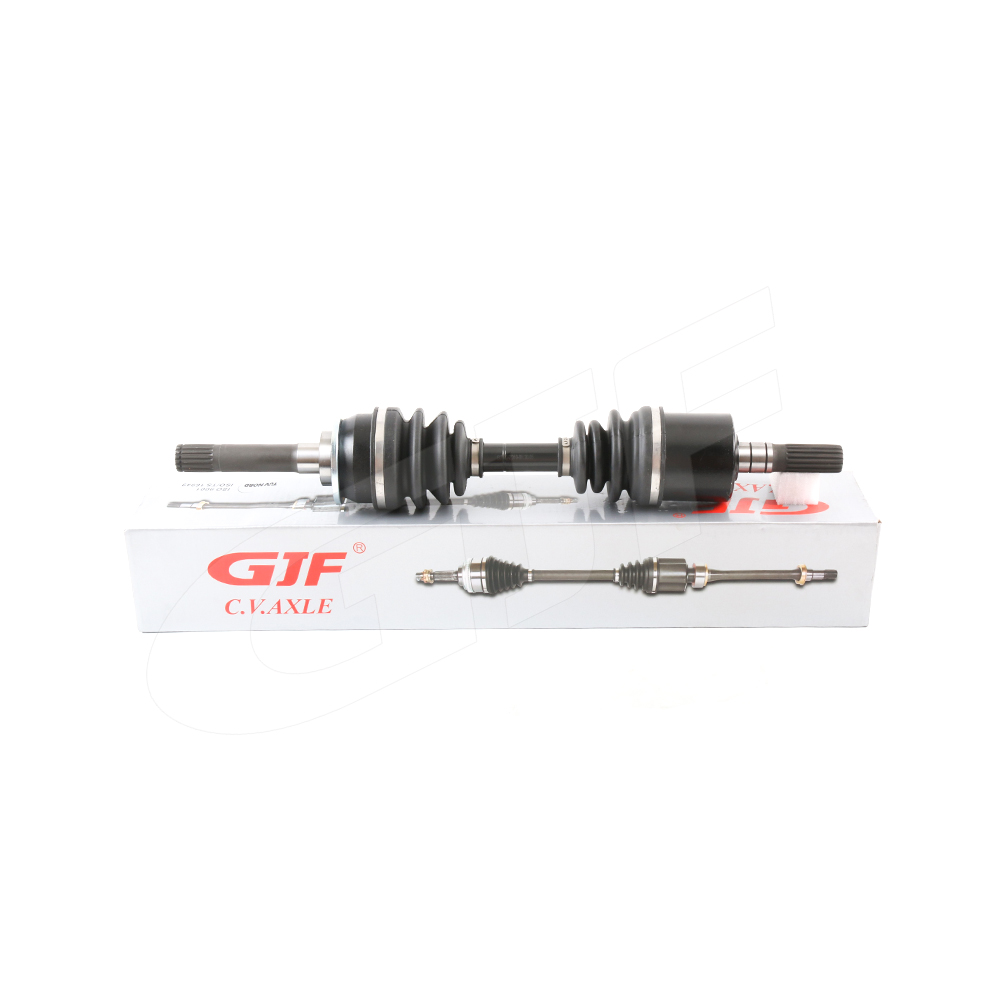
Automotive Parts Drive Shaft For Isuzu D-MAX Colorado 8972156971