
À propos de GJF
GJF adhère à une philosophie de coopération fondée sur « l'intégrité, l'innovation, l'altruisme et le gagnant-gagnant ». Nous nous engageons pleinement au service de nos clients et visons à créer des situations gagnant-gagnant sur le futur marché des pièces détachées automobiles.
Obtenir un devis gratuit


Actualités
24
Sep
What is a CV Axle Shaft? A Complete Guide to Understanding Axle Shafts - GJF Auto Parts
Introduction
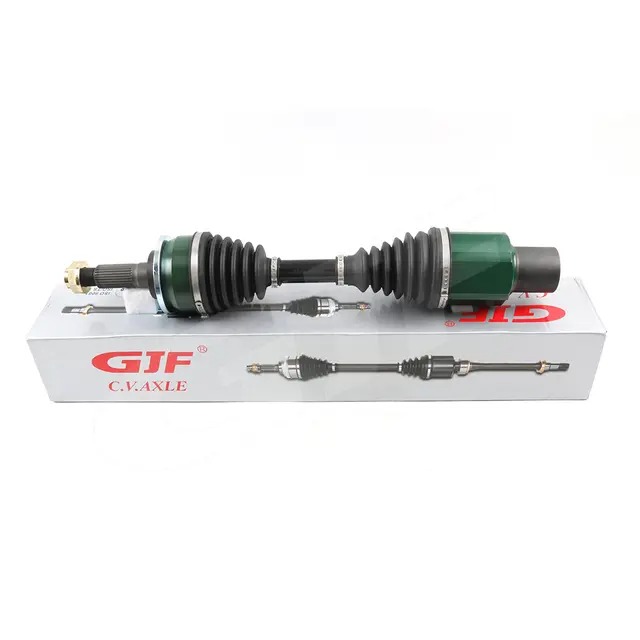
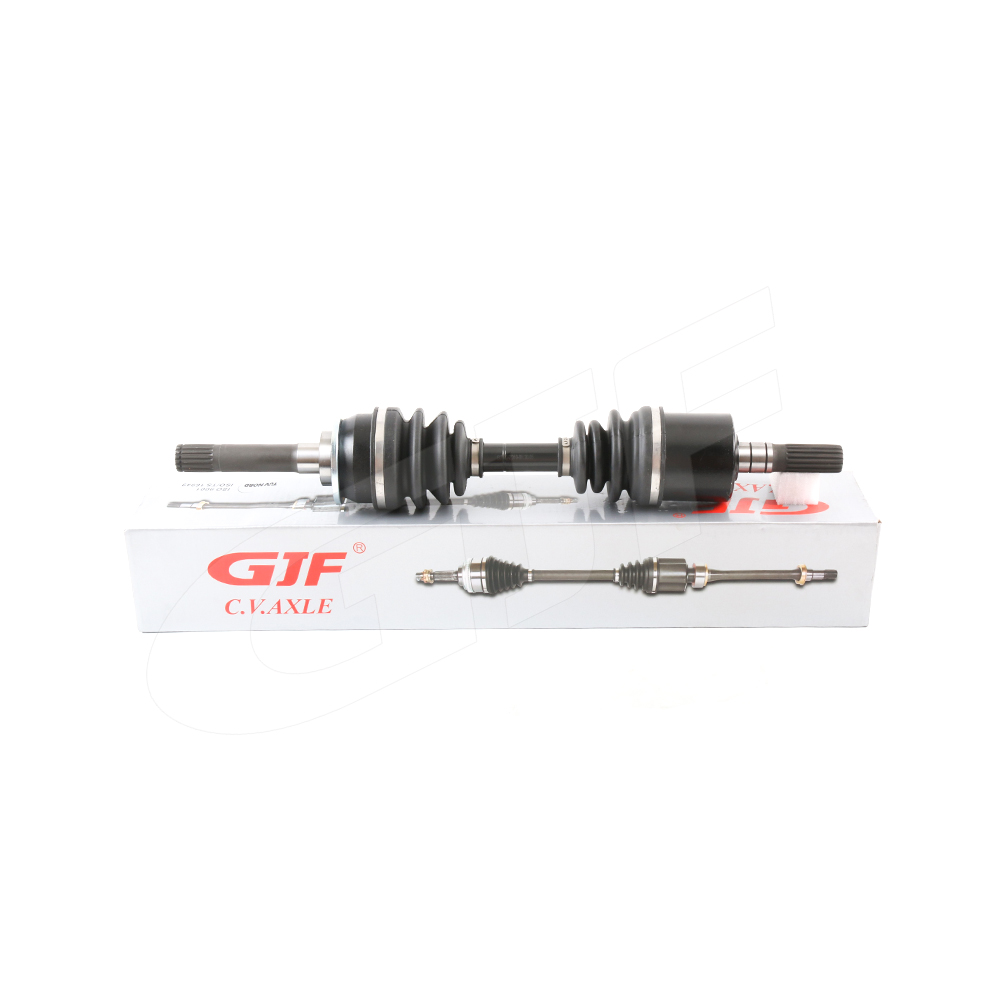
A CV axle shaft is a critical component of modern vehicles equipped with front-wheel drive and many all-wheel drive systems. It transfers engine power from the transmission to the wheels while allowing flexibility for steering and suspension movement. Without a properly functioning CV axle shaft, a vehicle would lose smooth power delivery, suffer from vibrations, and eventually become inoperable. Understanding its design, purpose, and maintenance is essential for car owners who want to ensure reliable performance and avoid costly repairs.
The Core Function of a CV Axle Shaft
The CV axle shaft serves as the direct link between the transmission and the wheel hub. Its primary function is to transmit torque while accommodating changes in wheel angle and suspension travel. Unlike a rigid axle, the CV axle shaft integrates constant velocity joints at both ends, which maintain consistent rotational speed regardless of the shaft’s angle. This ensures smooth acceleration and turning without the jerky motion seen in earlier designs like universal joints. The precision of the CV axle shaft is especially important in vehicles with independent suspension systems, where wheel movement is continuous and varied.

Components of a CV Axle Shaft
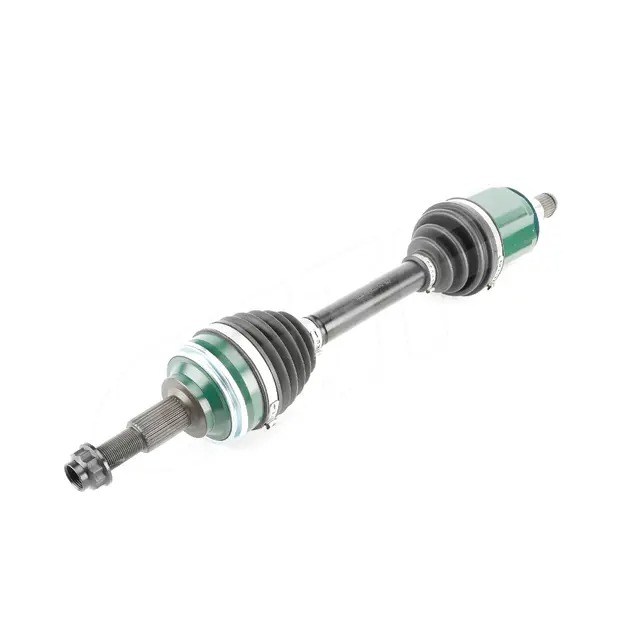
A typical CV axle shaft is not a single piece of metal but a system of interconnected parts designed to withstand stress, motion, and friction.
| Component | Description |
|---|---|
| Inner CV Joint | Connects the shaft to the transmission or differential, allowing length adjustments for suspension movement. |
| Outer CV Joint | Connects the shaft to the wheel hub, ensuring torque is transmitted at variable angles. |
| Axle Shaft (Bar) | The central shaft that connects the inner and outer joints, usually made of forged steel. |
| Boots | Flexible rubber or thermoplastic covers that protect the joints from dirt and moisture. |
| Grease | Lubricant sealed within the boots to minimize friction and wear. |
These parts work together seamlessly, and the failure of one can compromise the entire axle shaft’s performance.
Why CV Axle Shafts Are Essential for Modern Vehicles
The evolution of suspension and drivetrain technology made CV axle shafts indispensable. In front-wheel drive cars, they enable compact designs by combining engine and transmission power delivery with turning capabilities. In all-wheel drive systems, they maintain stability and traction by distributing torque effectively. Compared to traditional drive shafts, CV axle shafts provide smoother handling, reduced vibration, and better fuel efficiency. Their ability to adapt to varying road conditions and steering inputs makes them a cornerstone of automotive engineering.
Common Signs of a Worn or Damaged CV Axle Shaft
Identifying CV axle shaft issues early can prevent major breakdowns. Some of the most common signs include:
| Symptom | Possible Cause |
|---|---|
| Clicking noise when turning | Outer CV joint wear |
| Vibration during acceleration | Inner CV joint damage or imbalance |
| Grease splattered near wheel area | Torn CV boot |
| Difficulty steering smoothly | Joint binding or severe wear |
A damaged axle shaft compromises safety and efficiency. Left unchecked, it can lead to complete axle failure, leaving the vehicle undrivable.
CV Axle Shaft vs. Drive Shaft: Key Differences
Though often confused, CV axle shafts and drive shafts serve different roles.
| Feature | CV Axle Shaft | Drive Shaft |
|---|---|---|
| Application | Front-wheel drive and AWD systems | Rear-wheel drive and some AWD systems |
| Flexibility | Equipped with CV joints for high flexibility | Uses universal joints with limited angle range |
| Design | Shorter, connects transmission directly to wheels | Longer, runs between transmission and differential |
| Smoothness | Provides constant velocity motion | May cause minor speed fluctuations |
Understanding this distinction helps car owners and mechanics make informed decisions about maintenance and part replacement.
Maintenance and Lifespan of CV Axle Shafts
A CV axle shaft typically lasts between 70,000 and 130,000 miles, though lifespan depends on driving conditions, load, and maintenance habits. The most vulnerable component is the CV boot, which can crack and allow contaminants to enter the joint. Regular inspection for tears, leaks, or grease buildup helps extend the axle shaft’s service life. Preventive care includes cleaning exposed parts, checking for vibrations, and replacing worn boots before joint damage occurs. In harsh climates or off-road conditions, axle shafts may require more frequent attention.
Repair or Replacement: What Car Owners Should Know
When a CV axle shaft shows signs of failure, the decision is usually between repair and replacement. Minor issues such as a torn boot can sometimes be addressed with boot replacement, provided the joint is not yet damaged. However, once the joint itself wears out, replacing the entire axle shaft is the more cost-effective and reliable solution. Modern aftermarket axle shafts are widely available and often more affordable than OEM parts, though quality should never be compromised. Professional installation ensures correct torque application and alignment, critical for long-term performance.
The Role of CV Axle Shafts in Vehicle Safety
Beyond functionality, CV axle shafts play an important role in safety. A failing axle shaft can cause sudden loss of power to the wheels, difficulty steering, or complete breakdown while driving. Properly functioning shafts maintain stability during acceleration, braking, and cornering. For vehicles with electronic stability control, the accuracy of torque delivery from the axle shafts ensures that driver-assist systems can respond effectively. Regular maintenance not only preserves performance but also safeguards passengers.
Conclusion
A CV axle shaft is far more than a simple mechanical link; it is a precision-engineered component that balances strength, flexibility, and reliability. From powering the wheels to supporting steering and suspension dynamics, it enables the smooth, controlled motion that drivers expect from modern vehicles. Recognizing its importance, understanding its structure, and addressing wear promptly are key to maintaining vehicle safety and performance.
FAQ
1. How long does a CV axle shaft last?
Most CV axle shafts last between 70,000 and 130,000 miles, depending on driving habits and conditions.
2. Can I drive with a bad CV axle shaft?
Driving with a damaged axle shaft is unsafe. While the car may still move, the risk of complete failure increases significantly.
3. What causes CV axle shaft failure?
The most common cause is a torn CV boot that allows dirt and moisture into the joint, leading to accelerated wear.
4. Is it better to repair or replace a bad axle shaft?
If only the boot is damaged, repair may be possible. If the joint is worn, full replacement is recommended.
5. Are CV axle shafts the same for all cars?
No. Design and length vary by make, model, and drivetrain configuration. Always choose the correct specification for your vehicle.
Tags :
Articles récents

Articles associés


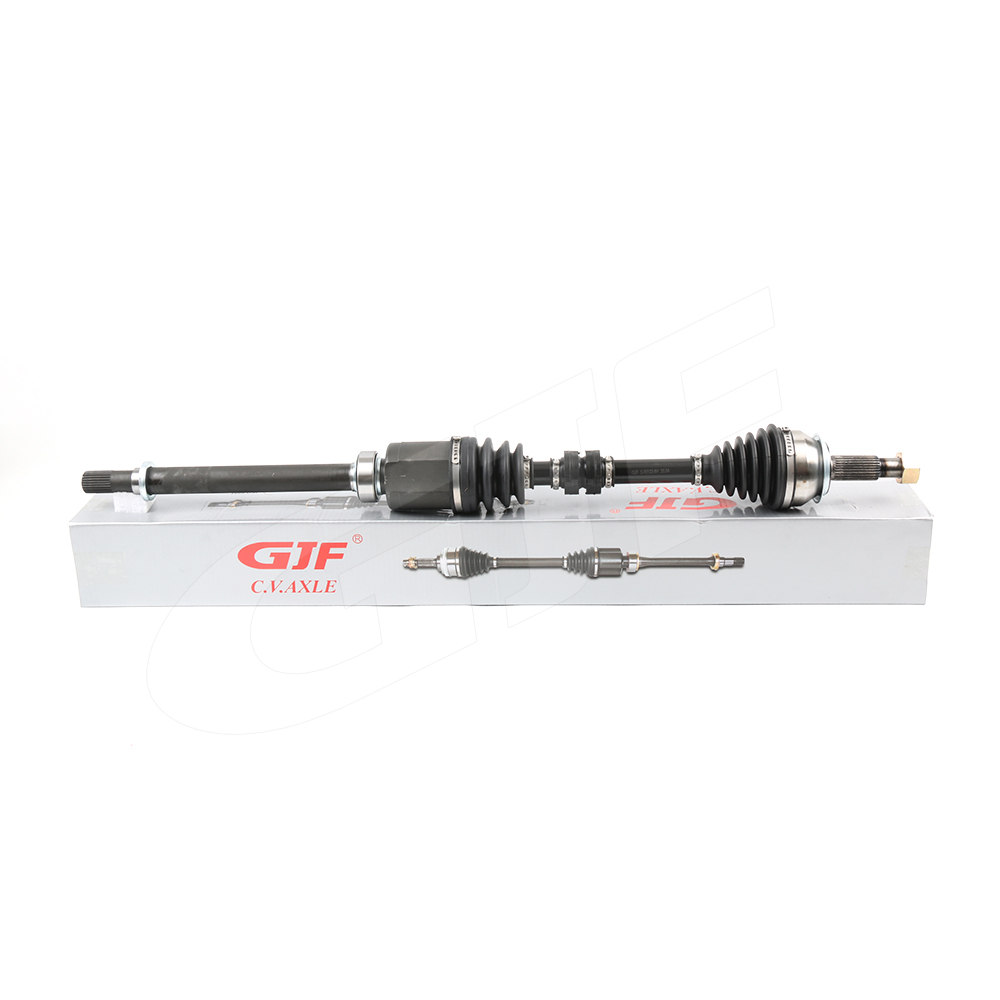
GJF Automotive Parts For Nissan Drive Shaft 39100-4BB0B In Stock
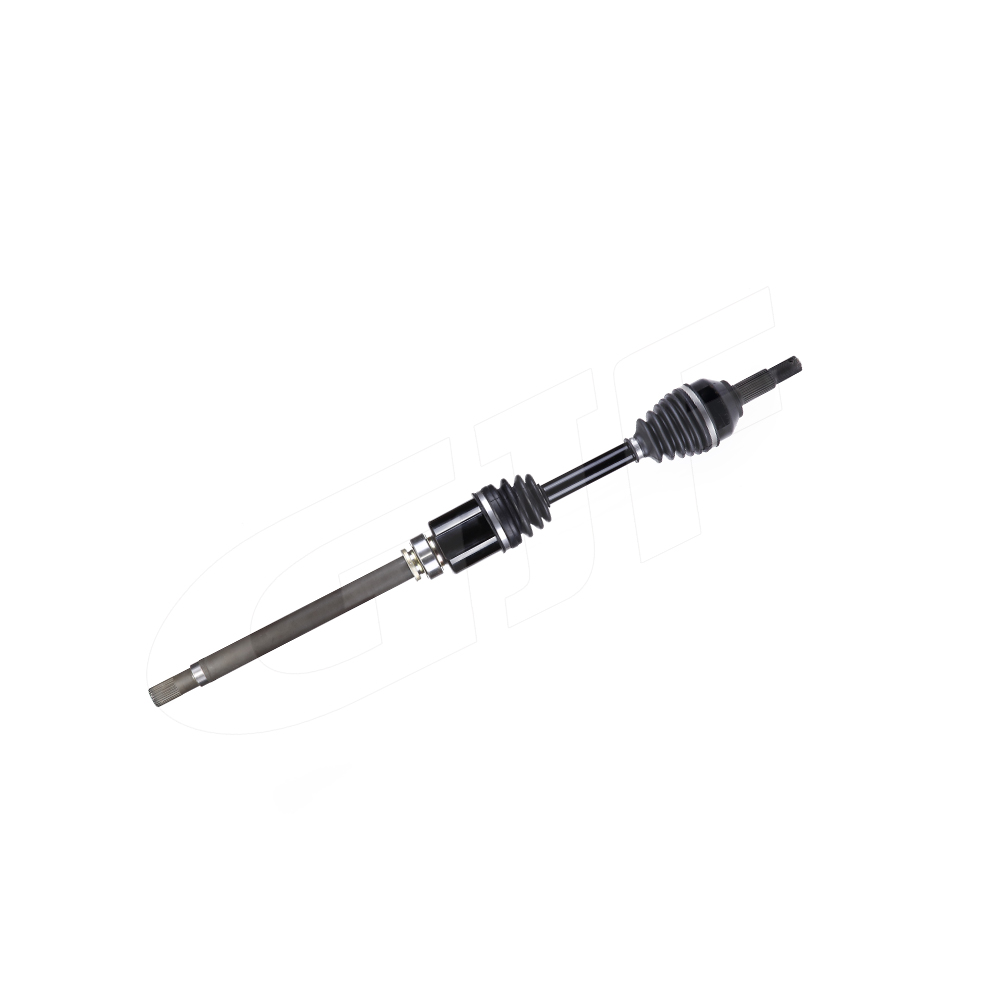
GJF Auto Transmission Parts Drive Shaft 39100-1DA4E
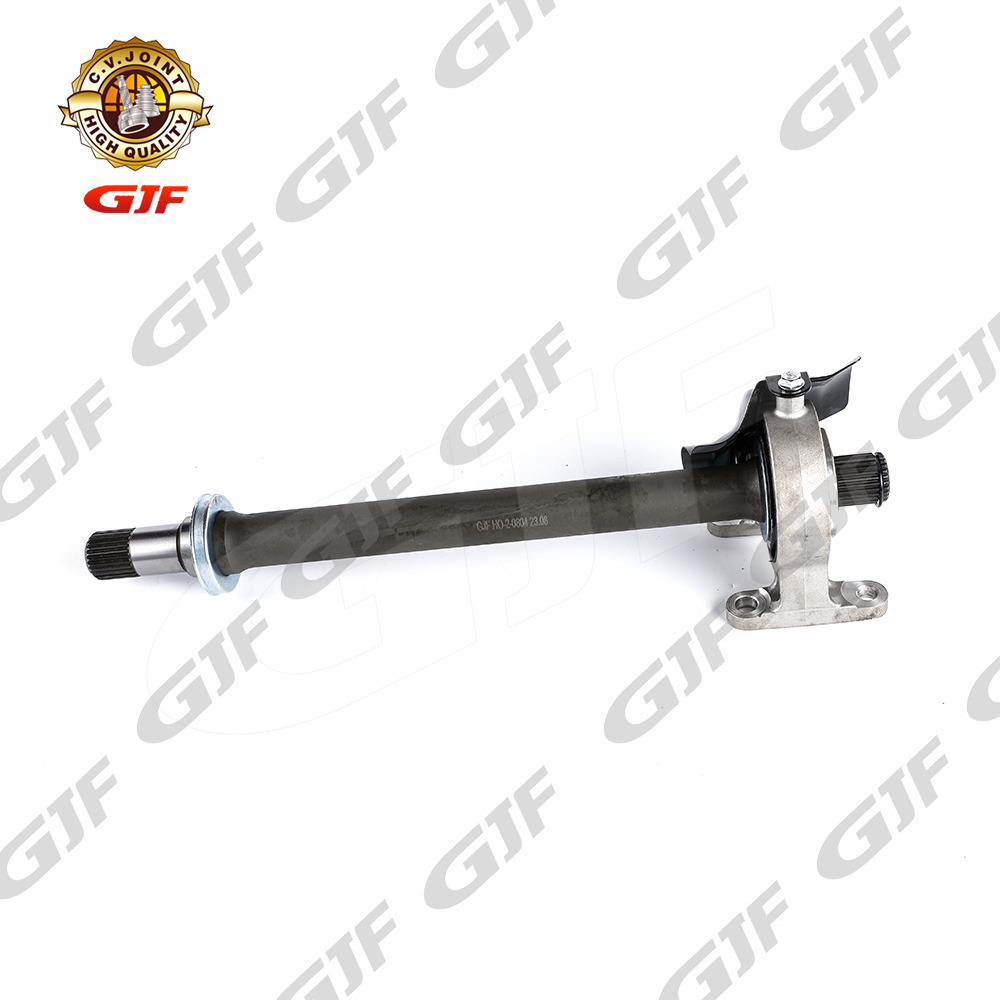
44500-SWA-A00 Right Intermediate Shaft For Honda CR-V RE4
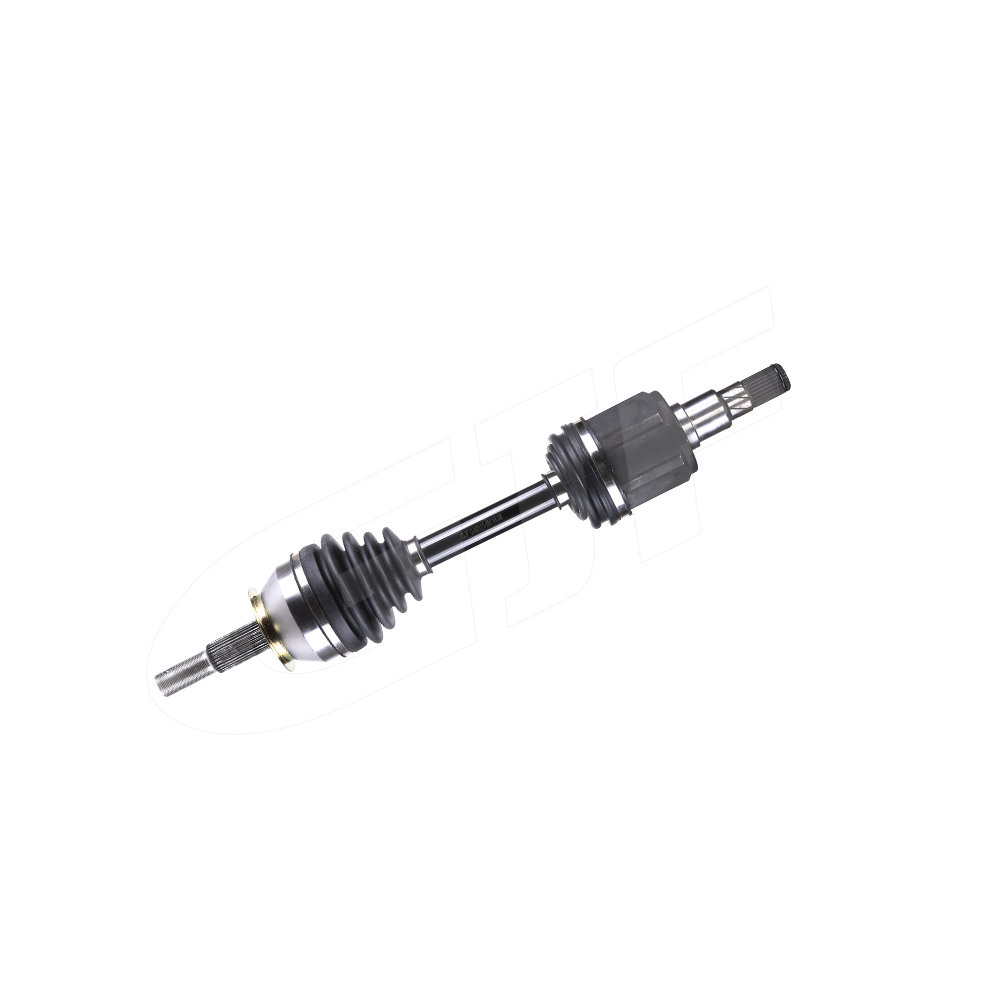
39100-2ZG0A CV Axle Drive Shaft Nissan Navara NP300
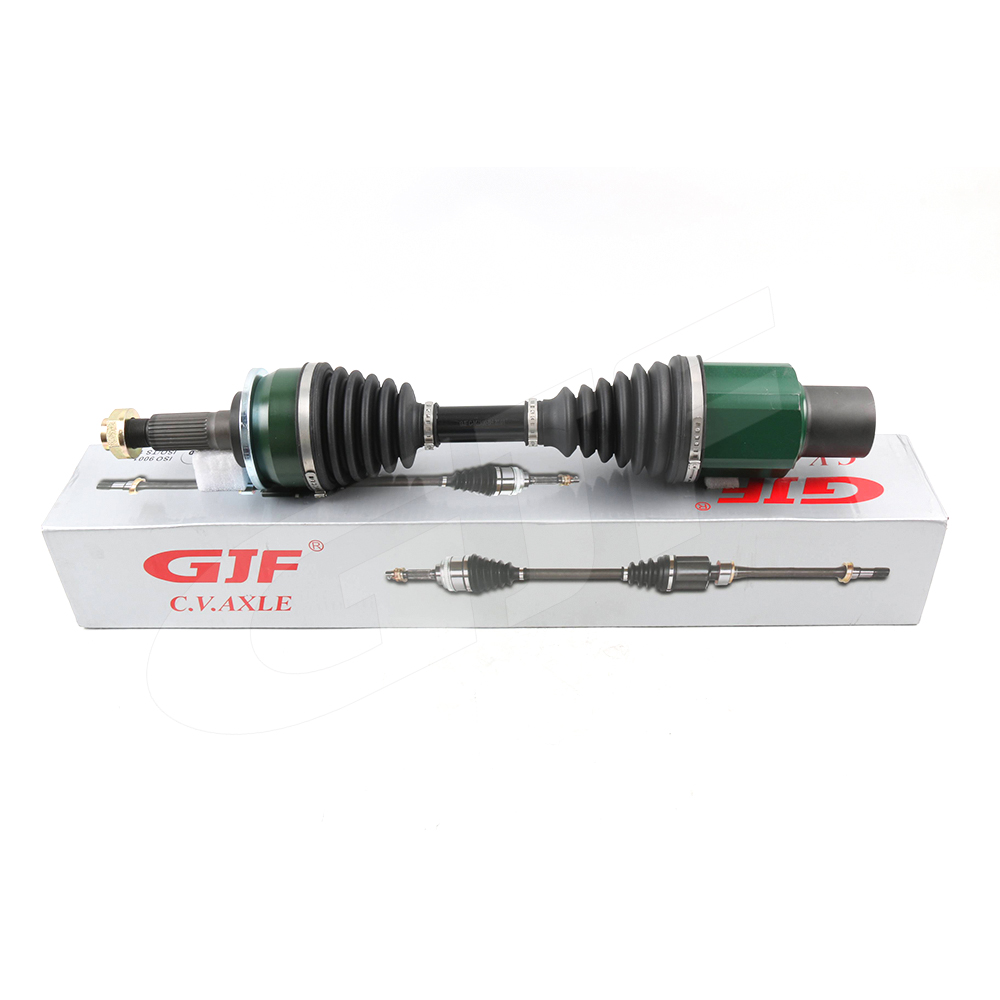
AB393A428CC AB393A427CC Drive Shaft For Ford Ranger Mazda
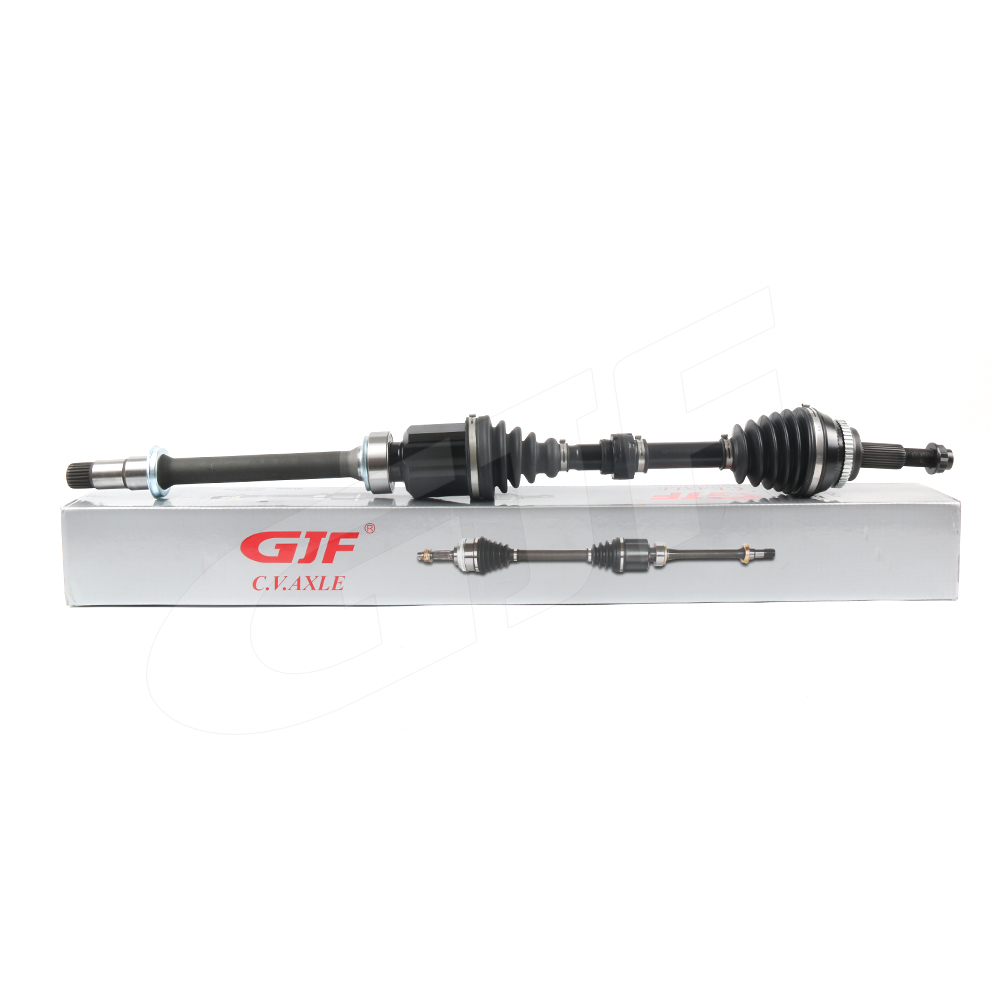
Auto Drive Shaft For Toyota Highlander 43410-0E070
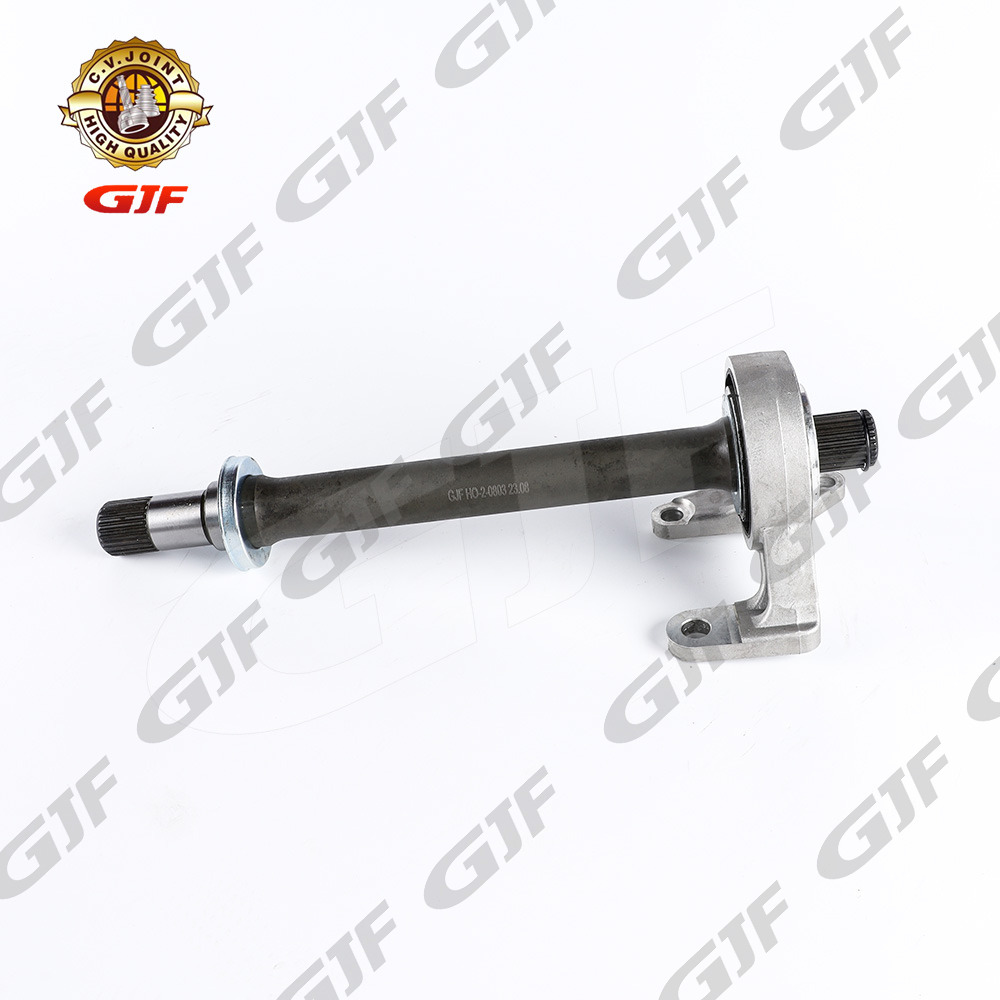
Auto Parts Intermediate Shaft Assembly For Honda CR-V CIVIC 44500-SWC-E00
Automotive Parts Drive Shaft For Isuzu D-MAX Colorado 8972156971